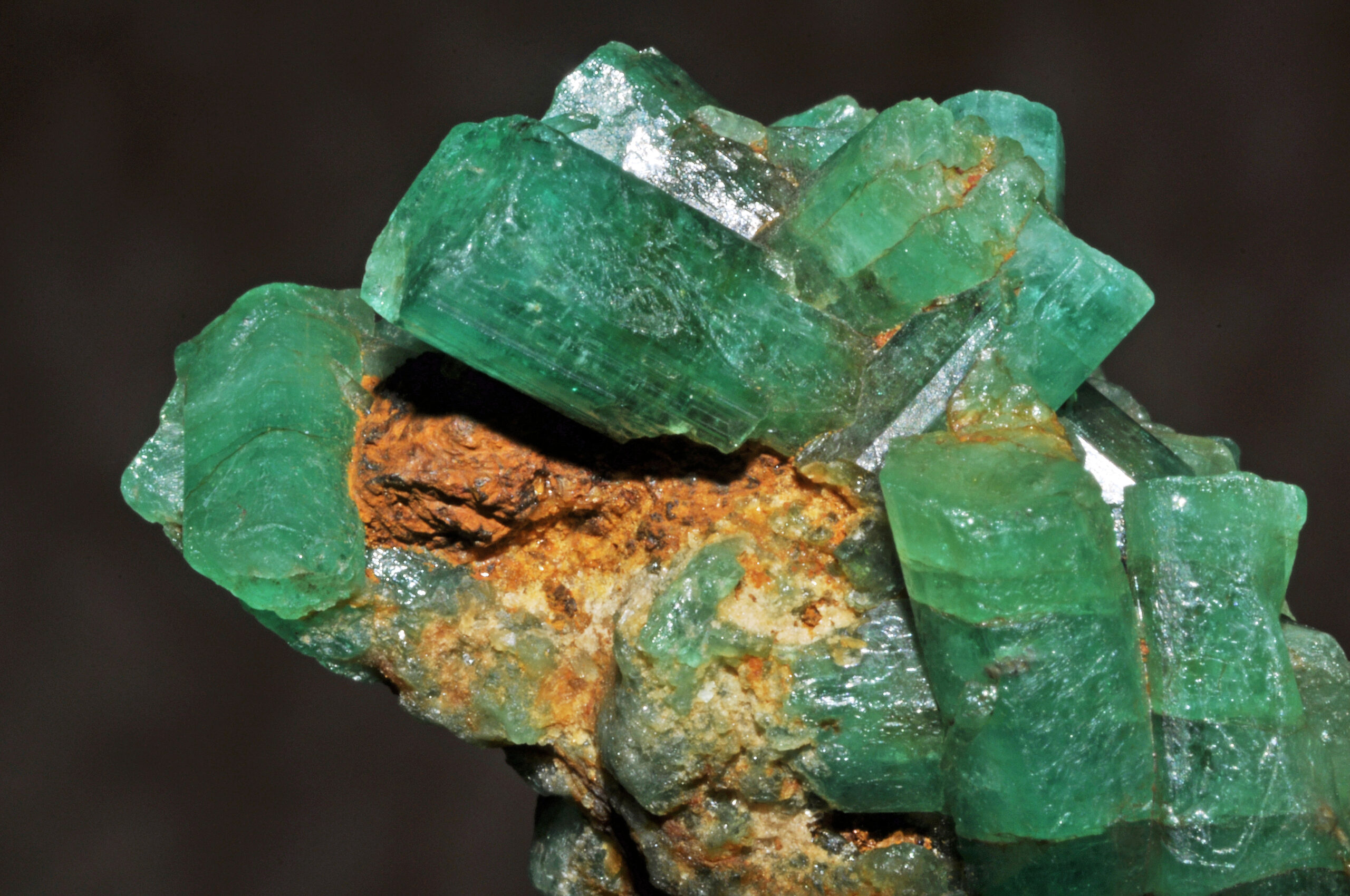
Emeralds: Colombian vs. African. The Ultimate Guide to Choosing the World’s Finest Green Gems
When investing in emeralds, origin matters profoundly. Discover why discerning collectors, celebrity jewelers, and investment experts consistently choose Colombian emeralds over their African counterparts—and what makes this distinction worth thousands per carat.
Emeralds, often called “nature’s jewels,” have captivated humanity with their incomparable beauty and dazzling brilliance for millennia. From Cleopatra’s legendary collection to modern red carpet appearances, these green gemstones represent the pinnacle of natural luxury. Today, two regions dominate global production: Africa and Colombia.
While both sources produce appreciated gemstones, distinctive differences make them uniquely suited for different purposes—and one consistently commands premium prices in the international market. This comprehensive guide explores the characteristics, value propositions, and market dynamics of Colombian versus African emeralds, helping you make an informed investment decision.
The Colombian Emerald: Nature’s Green Perfection
Colombian emeralds are globally recognized for their exceptional quality and unparalleled color. The Boyacá region of Colombia produces some of the most coveted emeralds in existence, with distinctive characteristics that set them apart:
Intense, Pure Green Color: The Colombian Signature
The hallmark of Colombian emeralds is their extraordinarily intense and pure green hue. This distinctive coloration results from optimal traces of chromium and vanadium in their chemical composition—a geological recipe that produces what gemologists consider the “perfect” emerald green.
Unlike stones from other origins, Colombian emeralds exhibit:
- Zero to minimal bluish or yellowish secondary hues: The green is pure, vivid, and saturated
- Exceptional color consistency: Top-quality specimens maintain uniform color throughout the crystal
- Superior color retention: The green remains vibrant under various lighting conditions, from natural sunlight to artificial illumination
This color quality is so distinctive that experienced gemologists can often identify Colombian origin by color alone—a testament to its unmistakable superiority.
Remarkable Clarity and Transparency
Colombian emeralds typically demonstrate excellent clarity and transparency, allowing light to penetrate the gemstone and create that mesmerizing, dazzling brilliance that collectors prize. While all emeralds contain natural inclusions (affectionately called “jardin” or garden), Colombian specimens often exhibit:
- “Eye-clean” appearance in premium grades, meaning inclusions aren’t visible to the naked eye
- Three-phase inclusions: Unique fluid, gas, and crystal combinations that actually authenticate Colombian origin
- Strategic inclusion placement: Natural characteristics that don’t compromise structural integrity or visual beauty
This exceptional transparency creates the “glow from within” phenomenon that makes Colombian emeralds appear almost luminescent—a quality impossible to replicate in laboratory synthesis or found consistently in other sources.
Unique Geological Genesis: Millions of Years in the Making
Colombian emeralds formed under specific geological conditions through hydrothermal processes over millions of years. Unlike most emeralds worldwide that form in igneous (magmatic) environments, Colombian specimens crystallized in sedimentary rock formations—a rare geological occurrence that contributes directly to their exceptional quality and purity.
This unique formation process results in:
- Lower iron content: Less iron means purer green without muddy undertones
- Distinct crystal structure: Superior hardness and durability compared to some other sources
- Chemical purity: Fewer interfering elements that could compromise color or clarity
The Muzo, Chivor, and Coscuez mining areas represent some of the world’s only locations where these precise geological conditions occurred—making authentic Colombian emeralds inherently limited and irreplaceable.
Superior Density and Value Per Carat
An often-overlooked advantage: Colombian emeralds tend to be smaller in physical dimensions but denser and heavier than African counterparts. This means:
- A 2-carat Colombian emerald may appear slightly smaller than a 2-carat African stone
- However, the Colombian specimen typically exhibits superior color saturation and clarity
- Greater value concentration: More quality per carat, justifying premium pricing
For investors and collectors, this density translates to better long-term value retention and appreciation potential.
African Emeralds: The Alternative Option
African emeralds, primarily from Zambia, Zimbabwe, and Ethiopia, also hold value in the jewelry market, though with distinctly different characteristics:
Variable Color Range
African emeralds display a wider spectrum of green tones, from light, bright greens to dark, deep greens. While this variety offers design flexibility, it also means:
- Inconsistent color quality: Not all African emeralds achieve the coveted “emerald green”
- Often bluish undertones: Higher iron content creates cooler, less pure greens
- Greater color variation within single deposits: Quality control becomes more challenging
For jewelry designers seeking specific aesthetics, this variability can be advantageous. However, for collectors pursuing investment-grade stones, the inconsistency presents challenges.
Distinctive Inclusions and Character
Unlike the refined clarity of Colombian emeralds, African specimens typically feature more visible inclusions and internal characteristics that give them an individual, rustic charm. While some appreciate this “personality,” these inclusions:
- Reduce transparency and brilliance: Light passage becomes obstructed
- Compromise structural integrity: More included stones are more fragile
- Lower market value: Heavily included emeralds command significantly lower prices
The gemological reality: what marketers call “character” often translates to lower grades on standardized quality scales.
Geographic Diversity with Quality Variability
African emeralds originate from multiple countries—Zambia, Zimbabwe, Ethiopia, Madagascar—each with distinct geological compositions. This diversity means:
- No consistent “African” standard: A Zambian emerald differs significantly from an Ethiopian one
- Quality unpredictability: Each deposit requires individual assessment
- No unified reputation: Unlike “Colombian emerald” as a quality benchmark, “African emerald” lacks market clarity
Size Advantages with Density Trade-offs
African emeralds are recognized for producing larger crystals, making them attractive for statement jewelry pieces. However, these larger stones typically have:
- Lower density: Less weight per visual size
- More inclusions at larger sizes: Clean, large African emeralds are exceptionally rare
- Lower per-carat values: Size alone doesn’t compensate for quality differences
Head-to-Head Comparison: Why Colombian Emeralds Command Premium Prices
| Factor | Colombian Emeralds | African Emeralds |
|---|---|---|
| Color | Intense, pure green with optimal saturation. Consistent “emerald green” that defines the category. Result of perfect chromium-vanadium balance. | Variable greens from light to dark. Often bluish undertones from higher iron content. Inconsistent quality within deposits. |
| Clarity | Exceptional transparency with minimal eye-visible inclusions. Three-phase inclusions add authenticity without compromising beauty. | Typically more heavily included with visible internal characteristics. Inclusions often reduce brilliance and structural integrity. |
| Origin | Primarily Boyacá region (Muzo, Chivor, Coscuez). Unique hydrothermal formation in sedimentary rock—rare geological occurrence. | Multiple countries (Zambia, Zimbabwe, Ethiopia). Standard igneous formation. No unified quality standard. |
| Market Price | Premium pricing reflecting established reputation and consistent quality. Investment-grade specimens appreciate over time. | More affordable entry point for budget-conscious buyers. Lower resale value and appreciation potential. |
| Size vs. Density | Tend toward smaller dimensions but higher density—more weight per visual size. Greater value concentration per carat. | Larger crystal sizes but lower density—less weight per visual size. Size doesn’t compensate for quality differences. |
| Investment Value | Strong appreciation history. Museum-quality specimens achieve record auction prices. “Colombian origin” adds 20-40% value premium. | Moderate investment potential. Limited appreciation history. Origin doesn’t command premium. |
| Celebrity Appeal | Preferred by Hollywood elite, royal families, and high-jewelry houses. Angelina Jolie, Reese Witherspoon, Elizabeth Taylor collections. | Rarely featured in high-profile jewelry. Limited luxury market presence. |
| Rarity | Increasingly scarce as finest veins deplete. True Muzo-quality stones extremely rare. | More abundant supply. Larger deposits currently in production. |
The Market Reality: Why Colombian Origin Matters
The global emerald market reveals clear preferences that directly impact value and investment potential:
Demand and Prestige Preferences
Sophisticated consumers—including high-net-worth collectors, luxury jewelry houses, and investment buyers—consistently prefer Colombian emeralds for their established reputation of quality and purity. This isn’t subjective preference but market reality reflected in:
- Auction results: Colombian emeralds routinely achieve 2-5x prices of comparable African stones
- Designer specifications: High-jewelry houses like Cartier, Bulgari, and Tiffany specifically source Colombian stones for flagship pieces
- Certification premiums: Gemological laboratories note Colombian origin as a value-enhancing factor
Conversely, while some buyers appreciate the unique opacity and character of African emeralds, this represents a niche market segment rather than mainstream luxury demand.
Design Trends and Jewelry Applications
Jewelry designers leverage the distinctive characteristics of each emerald type strategically:
Colombian emeralds are reserved for:
- High-jewelry collections and couture pieces
- Engagement rings and heirloom-quality jewelry
- Investment-grade acquisitions
- Museum and exhibition pieces
African emeralds find applications in:
- Fashion jewelry with larger, more affordable stones
- Contemporary designs prioritizing size over quality
- Budget-conscious retail jewelry
- Costume and semi-precious collections
This market segmentation directly reflects quality perceptions and pricing realities.
Investment and Collectibility: The Numbers Don’t Lie
Both Colombian and African emeralds can serve as investments and collectibles for those interested in the gemstone market. However, market significance heavily favors Colombian stones:
Investment Performance Data:
- Top-quality Colombian emeralds have appreciated 8-12% annually over the past two decades
- African emeralds show 2-4% annual appreciation—barely outpacing inflation
- Colombian emeralds maintain value even during economic downturns
- African emeralds experience greater price volatility and liquidity challenges
Resale Reality: The market dramatically prefers natural Colombian emeralds over African alternatives. When selling, expect:
- Colombian emeralds: Strong buyer demand, quick sales, premium pricing
- African emeralds: Limited buyer interest, longer selling periods, negotiated discounts
This resale differential makes Colombian emeralds the superior choice for anyone viewing their purchase as both jewelry and investment.
The Certification Advantage
Gemological certification reveals another crucial distinction:
Colombian emeralds receive:
- Detailed origin determination from prestigious labs (GIA, AGL, Gübelin)
- Premium certification fees justified by stone values
- Origin notation that adds 20-40% to market price
- Enhanced insurance coverage and estate valuation
African emeralds often:
- Receive basic gemological reports without premium origin services
- Carry certifications that add minimal value
- Lack the provenance storytelling that enhances collectibility
Why Smart Buyers Choose Colombian: Beyond the Numbers
The preference for Colombian emeralds transcends mere gemological superiority—it encompasses cultural, historical, and emotional dimensions that African alternatives cannot replicate:
1. Cultural Heritage and Storytelling Value
Colombian emeralds connect buyers to:
- Pre-Columbian civilizations and ancient mythology (the legend of Fura)
- Colonial history and global trade routes
- Centuries of artisanal mining traditions
- A tangible piece of “The Land of Beauty”
This narrative dimension enhances ownership satisfaction and collectibility value in ways that newer African mining operations cannot match.
2. Proven Scarcity and Future Appreciation
As Colombia’s finest emerald veins become increasingly depleted:
- Production of top-quality specimens continues declining
- Market scarcity drives consistent price appreciation
- Investment-grade stones become increasingly difficult to source
- Early acquisitions position buyers for maximum long-term returns
African deposits, while substantial, lack this scarcity dynamic—abundant supply limits appreciation potential.
3. Universal Recognition and Liquidity
“Colombian emerald” commands instant recognition and respect:
- No explanation needed for quality when reselling
- Global network of dealers seeking Colombian stones
- Easier insurance, appraisal, and estate processes
- Immediate credibility in luxury markets worldwide
This universal recognition translates directly to superior liquidity—Colombian emeralds sell faster and at better prices when owners eventually decide to liquidate.
4. The Confidence Factor
Purchasing a certified Colombian emerald provides:
- Confidence in consistent quality standards
- Assurance of investment-grade acquisition
- Pride of ownership in world-class gemstone
- Legacy-quality item suitable for generational transfer
These intangible benefits justify premium pricing for discerning buyers who view purchases holistically rather than simply comparing per-carat costs.
Making Your Decision: Investment vs. Affordability
The Colombian versus African emerald choice ultimately depends on your priorities:
Choose Colombian emeralds if you:
- Prioritize color purity, clarity, and overall quality
- View your purchase as both jewelry and investment
- Want a gemstone that appreciates consistently over time
- Desire the prestige and recognition of “Colombian origin”
- Plan to create heirloom-quality or high-jewelry pieces
- Understand that true quality commands appropriate pricing
Consider African emeralds if you:
- Prioritize size and visual impact over gemological quality
- Have strict budget constraints limiting options
- Appreciate rustic character and visible inclusions
- Need larger stones for fashion jewelry applications
- Don’t view the purchase primarily as an investment
- Understand the resale and appreciation limitations
The Verdict: Quality Has Its Price—and Its Rewards
While both Colombian and African emeralds have places in the global market, the evidence overwhelmingly favors Colombian stones for serious buyers:
✓ Superior color purity and consistency ✓ Better clarity and transparency ✓ Unique geological formation creating irreplaceable characteristics ✓ Stronger investment performance and appreciation ✓ Greater market demand and resale liquidity ✓ Cultural and historical significance ✓ Universal recognition in luxury markets ✓ Preferred by celebrities, designers, and collectors worldwide
The premium pricing of Colombian emeralds isn’t arbitrary—it reflects genuine quality differences, proven investment performance, and market realities that favor these exceptional gemstones.
For those who can afford the investment, Colombian emeralds represent not just superior quality but superior value: better appreciation, easier resale, greater prestige, and the satisfaction of owning nature’s finest achievement in green.
Your Next Step: Sourcing Authentic Colombian Excellence
If you’re ready to acquire a genuine Colombian emerald:
- Work with established dealers specializing in Colombian stones with direct mine relationships
- Insist on certification from recognized gemological laboratories (GIA, AGL, Gübelin) confirming Colombian origin
- Understand grading factors specific to emeralds: color, clarity, cut, and carat weight
- Consider your purpose: investment-grade specimens justify premium pricing; jewelry-grade stones offer better value for wearability
- Examine multiple specimens to understand quality variations even within Colombian sources
- Document everything: provenance, certification, purchase details for insurance and eventual resale
The market has spoken clearly: when it comes to emeralds, Colombian origin represents the gold standard. For discerning buyers seeking the world’s finest green gemstones—with proven investment potential, undeniable beauty, and rich cultural heritage—Colombian emeralds remain unmatched and irreplaceable.
Don’t settle for alternatives when nature’s perfection awaits in the mountains of Colombia.