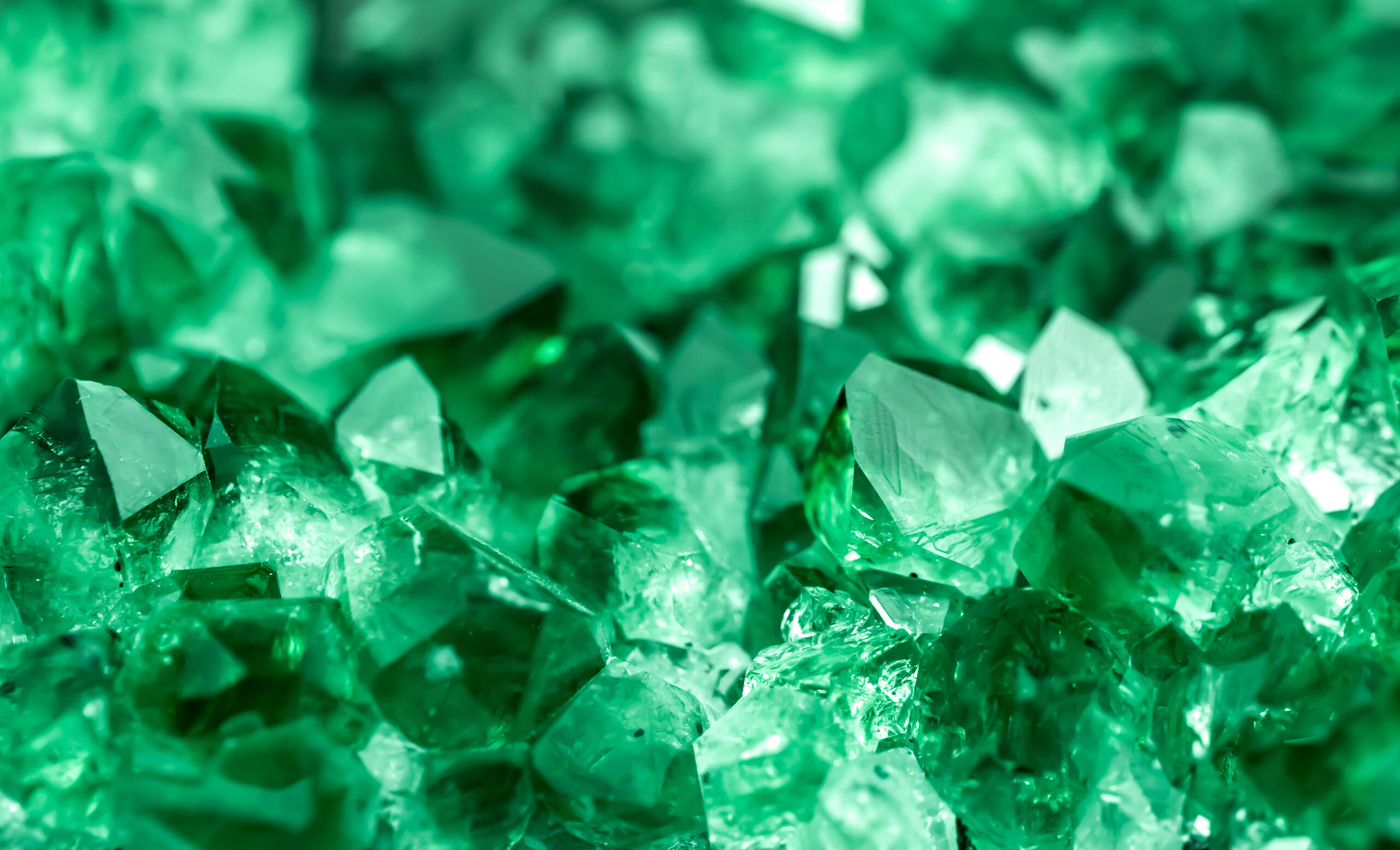
Emerald Color Grading Guide
Emerald Color Grading Guide: Understanding Color, Tone, and Hue
Emerald Color Scale
| Score | Grade | Description |
|---|---|---|
| 1–2 | Light | Light green tone with less saturation. |
| 3–4 | Fair | Noticeable green but still soft. |
| 5–6 | Good | Balanced green tone and saturation. |
| 7–8 | Very Good | Strong, rich green with good brilliance. |
| 9–10 | Exceptional | Deep pure green — considered the finest color. |
Note: The best emerald color is pure green from the color spectrum.
Emerald Tone
| Tone Level | Description |
|---|---|
| Light | Pale green with lower depth of color. |
| Dark Green | Strong tone but may reduce brilliance. |
| Medium | Balanced tone with good brightness. |
| Medium Dark | Deep tone with strong visual presence. |
| Deep Intense | Very deep tone, often highly valued. |
Note: Tone ranges from light to dark. Medium green and deep intense tones are often considered ideal, although darker stones may lose brilliance.
Emerald Hue
| Hue Code | Hue Description |
|---|---|
| IYG | Light Yellow Green |
| IBG | Light Bluish Green |
| BG | Bluish Green |
| SYG | Strong Yellow Green |
| SBG | Strong Bluish Green |
| IBG (Intense) | Intense Bluish Green |
Emerald Color Grading Guide: Understanding Color, Tone, and Hue
Emeralds are among the most prized gemstones in the world, celebrated for their vivid green color and timeless elegance. Unlike many other gemstones, emerald quality is judged primarily by color rather than brilliance. Understanding how emerald color is graded — through scale, tone, and hue — helps collectors, jewelers, and buyers make informed decisions when selecting high-quality stones.
Emerald Color Scale
The emerald color scale evaluates the intensity and richness of green in a stone. Experts generally grade emerald color on a range from light to exceptional based on saturation and visual impact.
- Light (1–2): Pale green with low saturation. These stones are usually less valuable due to their soft appearance.
- Fair (3–4): Noticeable green but still light in tone.
- Good (5–6): Balanced green with moderate saturation and appeal.
- Very Good (7–8): Strong, vivid green with excellent presence.
- Exceptional (9–10): Deep, pure green — widely considered the finest emerald color.
In the trade, the most desirable emeralds display a pure, vibrant green without excessive yellow or blue undertones.
Emerald Tone
Tone refers to how light or dark an emerald appears. It plays a crucial role in determining the stone’s overall beauty and value.
- Light Tone: Appears bright but often lacks depth.
- Medium Tone: Well-balanced and often highly desirable.
- Medium Dark: Rich and saturated, frequently seen in fine stones.
- Dark Green: Strong color but may reduce brilliance.
- Deep Intense: Very deep tone with dramatic presence.
While medium to medium-dark tones are typically considered ideal, tone must be evaluated alongside clarity and brilliance. A darker emerald does not automatically indicate higher quality.
Emerald Hue
Hue describes the primary color and any secondary color modifiers present in an emerald. The finest emeralds are known for their pure green hue, though slight variations are common.
Common hue classifications include:
- Yellowish Green (YG): Shows noticeable yellow undertones.
- Bluish Green (BG): Displays cool blue undertones, often highly valued.
- Pure Green: The most sought-after hue in the market.
- Strong Yellow Green (SYG): Brighter but less classic in appearance.
- Strong Bluish Green (SBG): Deep and rich with cooler tones.
Subtle bluish undertones are often preferred over yellowish ones in fine emeralds.
Where Emeralds Are Mined
Emeralds are mined in several regions around the world, each known for distinctive color characteristics and geological conditions:
- Colombia: The most famous source, producing some of the finest emeralds from mines such as Muzo, Chivor, and Coscuez. Colombian stones are prized for their pure green color and exceptional quality.
- Zambia: Known for darker stones with bluish undertones and excellent clarity.
- Brazil: Produces a wide range of emerald qualities, often lighter in tone.
- Ethiopia: A newer source offering attractive stones with strong color.
- Afghanistan & Pakistan: Known for smaller but high-quality emeralds.
- Russia: Historically produced emeralds with distinct bluish hues.
- Zimbabwe: Offers stones with unique color characteristics.
Closing Remarks
Understanding emerald color grading — including color scale, tone, and hue — is essential when evaluating these remarkable gemstones. While origin and clarity also influence value, color remains the defining factor in determining an emerald’s beauty and desirability. Whether you are a collector, jeweler, or enthusiast, learning how to read emerald color ensures a deeper appreciation of one of nature’s most extraordinary creations.